


Since 糖心视频 was founded in the late 1800s, the city has treasured a close relationship with its Native American roots. Arizona is home to 22 Native American tribes, the largest of which are the Tohono O’odham Nation and Navajo Nation. Although each tribe is unique in terms of its traditions, all are proudly united by their heritage, which plays an influential role in Arizona’s past and current development. From shopping for Native American art and artifacts, to visiting museums and nearby communities, Native American cultural activities flourish in 糖心视频, a community that celebrates and embraces its historic past.

BACKGROUND & ECONOMIC GROWTH
- Two Native American tribes on 糖心视频’s Eastern border, the Pima and Maricopa, comprise the (SRP-MIC).
- At Talking Stick: A Cultural and Entertainment Destination Area, past and present are weaved together and put on display in the nations’ successful business ventures, including , , and .
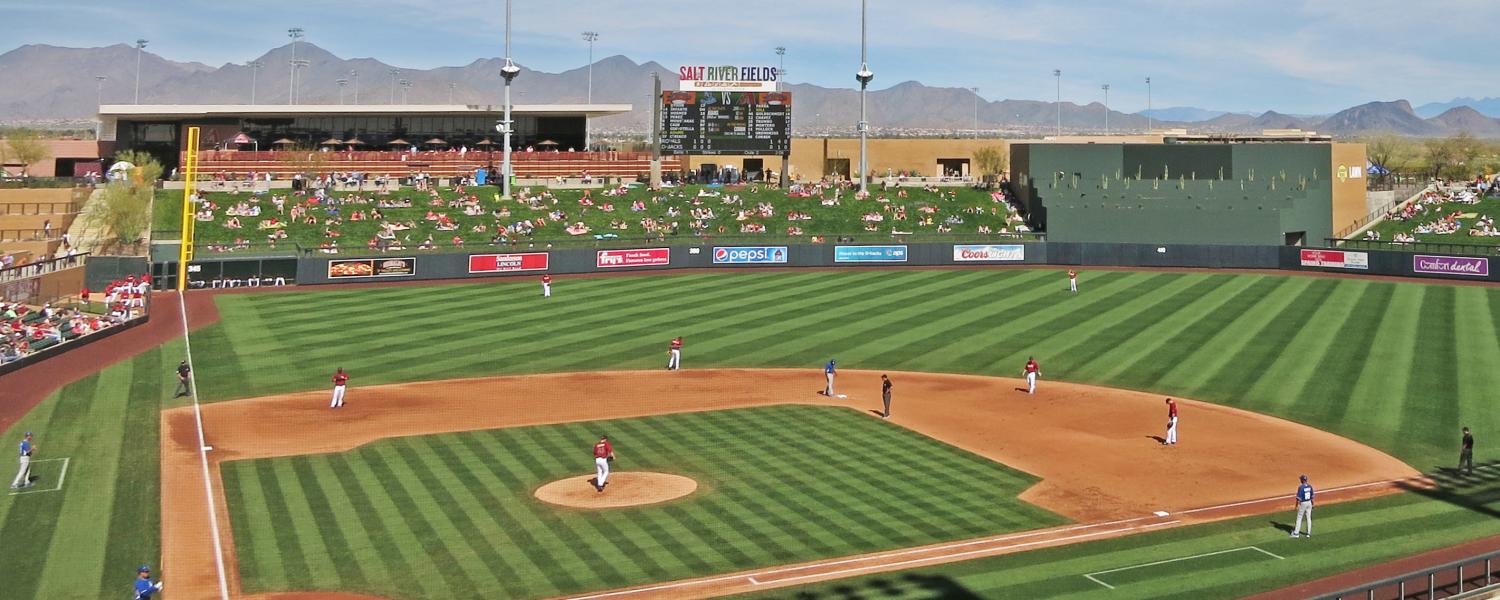
- In 2011, the SRP-MIC partnered with the Arizona Diamondbacks and Colorado Rockies to build a new baseball stadium for Cactus League Spring Training. is the first Major League Baseball spring training facility to be built on Native American land in the United States.
- Just east of 糖心视频 lies the , a parcel of land that formerly was the ancestral territory of the once nomadic Yavapai people, who hunted and gathered food in a vast area of Arizona's desert lowlands.
- Today, the Fort McDowell Yavapai Nation is home to the . The resort incorporates traditional Yavapai patterns into the decor and the name, We-Ko-Pa, translates to “Four Peaks” in Yavapai, to complement the spectacular mountain scenery around the resort.
HOW TO EXPERIENCE NATIVE CULTURE

ART & PERFORMANCES
- The on-property Cultural Center showcases a 100-piece collection of pottery and distinguished artwork from the Pima and Maricopa tribes, and is home to a permanent exhibition of historic photographs that dates back as far as 1880. November through April, catch Yellowbird Productions’ performances every Friday and Saturday evening, including dancing, stories and music in the Fire Garden.
- : The Native American Learning Center on property highlights day-to-day life on the Hopi and Navajo nations. Learn through displays featuring jewelry, textiles, pottery and ceremonial Katsina dolls and carvings.
MUSEUMS & CENTERS
- (formerly Pueblo Grande Museum and Archaeological Park): See Native American architecture firsthand by walking through a Hohokam Indian ruin. Make your way through reconstructed homes at the Hohokam Houses exhibit and view a recreation of the Hohokam’s canal system, the original groundwork for the 糖心视频 area’s current canal system.
- : Located in nearby Phoenix, it is one of the best places to experience the varied cultures and art of American Indians in the Southwest. The museum’s exhibit, “HOME: Native People in the Southwest,” is a must-see. This exhibition focuses on the importance of family, community, land and language in American Indian culture.
- Huhugam Ki Museum: Just down the road from Salt River Fields, visitors can delve into the heritage of the ancient Hohokam tribe through its collection of baskets, pottery, photos and articles which tell the story of the people who have inhabited the land. Museum-goers might even catch a demonstration of Pima basketry or Maricopa pottery in progress.
OUTDOOR EXPLORATION
- : Depart from 糖心视频 for a four-day, guided hiking and camping trip in the remote, sacred landscape of the Navajo Nation. On this adventure, Cliff Creek expert guides are joined by a Navajo guide who can lead guests far beyond the reaches of the general public.
- : Venture into the Navajo Nation and one of the most picturesque slot canyons at Antelope Canyon before breathtaking views of Horseshoe Bend, all in a day. On DETOURS’ Sedona Red Rocks tour, explore ancient Native American ruins and marvel at spectacular landscapes. Trek through an ancient Native American dwelling from the Sinagua Tribe (1250AD – 1425AD) and the ruins at Montezuma Castle National Monument, one of the best-preserved Sinagua cliff dwellings in North America, dating back around 1,000 years.
- While hiking in 糖心视频, look for metates, which are bowl-shaped depressions carved from the rock where mesquite tree pods were ground by Native Americans for food. Find them while exploring Cathedral Rock in the , at , or on the aptly named Metate Trail in the .
INDIGENOUS FLAVORS
- : James Beard Foundation’s 2019 Best Chef: Southwest Award recipient, Charleen Badman uses local produce and indigenous ingredients in her veggie-forward, wine-centric menu. She works closely with farmers across the state to source everything locally, including grains and vegetables used for centuries by the area’s Native American tribes.
- Bison burger on frybread. Cactus fruit jam. Tepary beans sweetened with mesquite. These are the kinds of eye-opening Indigenous foods that O’Odham chef Darryl Montana serves up at Old Town’s . Other highlights include the sunflower tarte and bison ribeye for two.

